

OVERVIEW
Atlassian builds B2B SaaS products, including Confluence and Jira. I worked on the Growth Buy team on Confluence's free-to-paid conversion journey, focused on a segment of long-term Free users who weren't engaging with any upgrade surfaces, despite being a good fit for Premium.
TEAM
Growth Buy
TIMELINE
10 weeks
ROLE
Product Design Intern
SKILLS
Experiment Design, Buy Journeys, Communication Design
The PROBLEM
Convincing someone to upgrade meant more than the visuals, it had to connect to value
Upgrade prompts on Confluence lived mainly in modals, but this specific group consistently ignored or dismissed them. The team needed to understand whether that was a timing problem, a messaging problem, or a product value visibility problem, and design an experiment that could give them valuable learnings.

WHAT I EXPLORED
Understanding how timing, angle, and positioning of upgrade prompts were viewed by this audience guided my approach
I tested 3 different directions for how the modal communicated the trial upgrade: (1) Adjusting timing and placement of the message, (2) Highlighting AI features that support team productivity, and (3) Tying upgrade messaging with contextual actions. I ruled out general messaging and using post office to trigger the modal because past experiment data showed this group hardly interacted with upgrade touch points. Timing mattered as much as the copy, so I looked at surfacing the message when specific actions were taken to tie upgrading with team productivity. This also avoided it feeling disruptive enough to get dismissed immediately. Throughout, I leaned on data from prior experiments and customer conversations to better understand this audience segment.
OUTCOME
Taking calculated risks brings valuable learnings that address business goals while balancing good user experience
Past data and designing this experiment showed that using a more assertive approach would be more effective than we'd originally assumed. Testing a new approach on this group would provide valuable learning that would shape how the Growth team approached prompts for this segment going forward.
REFLECTION
Growth design pushed me to think deeper about what data and design can teach us about users
Growth work moved faster and held more ambiguity than most other design work I'd done before this. I learned to lean on past experiment data to defend my own decisions, balance what different stakeholders needed against what would actually serve the user, and document well enough that someone else could pick up the experiment.
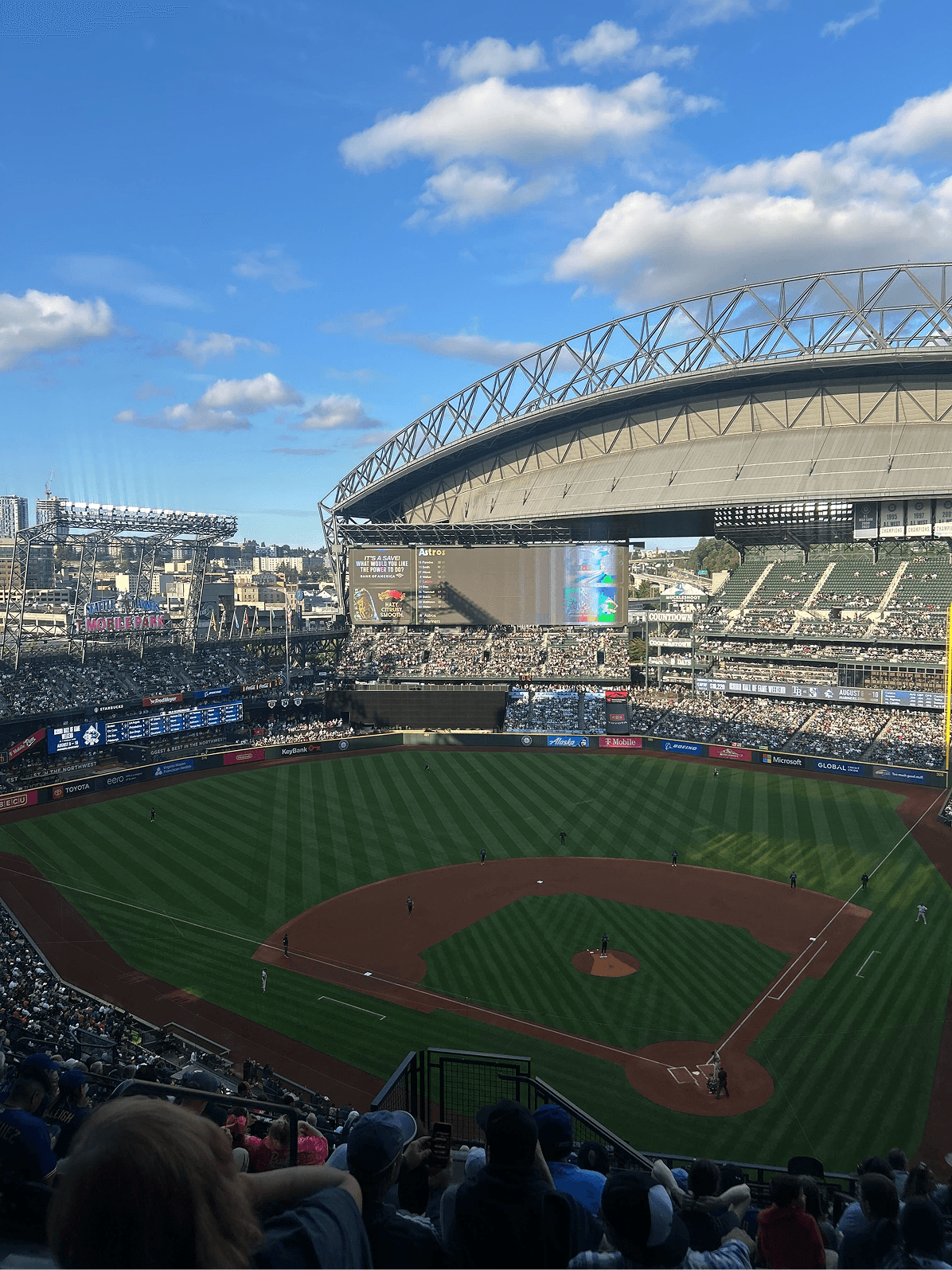
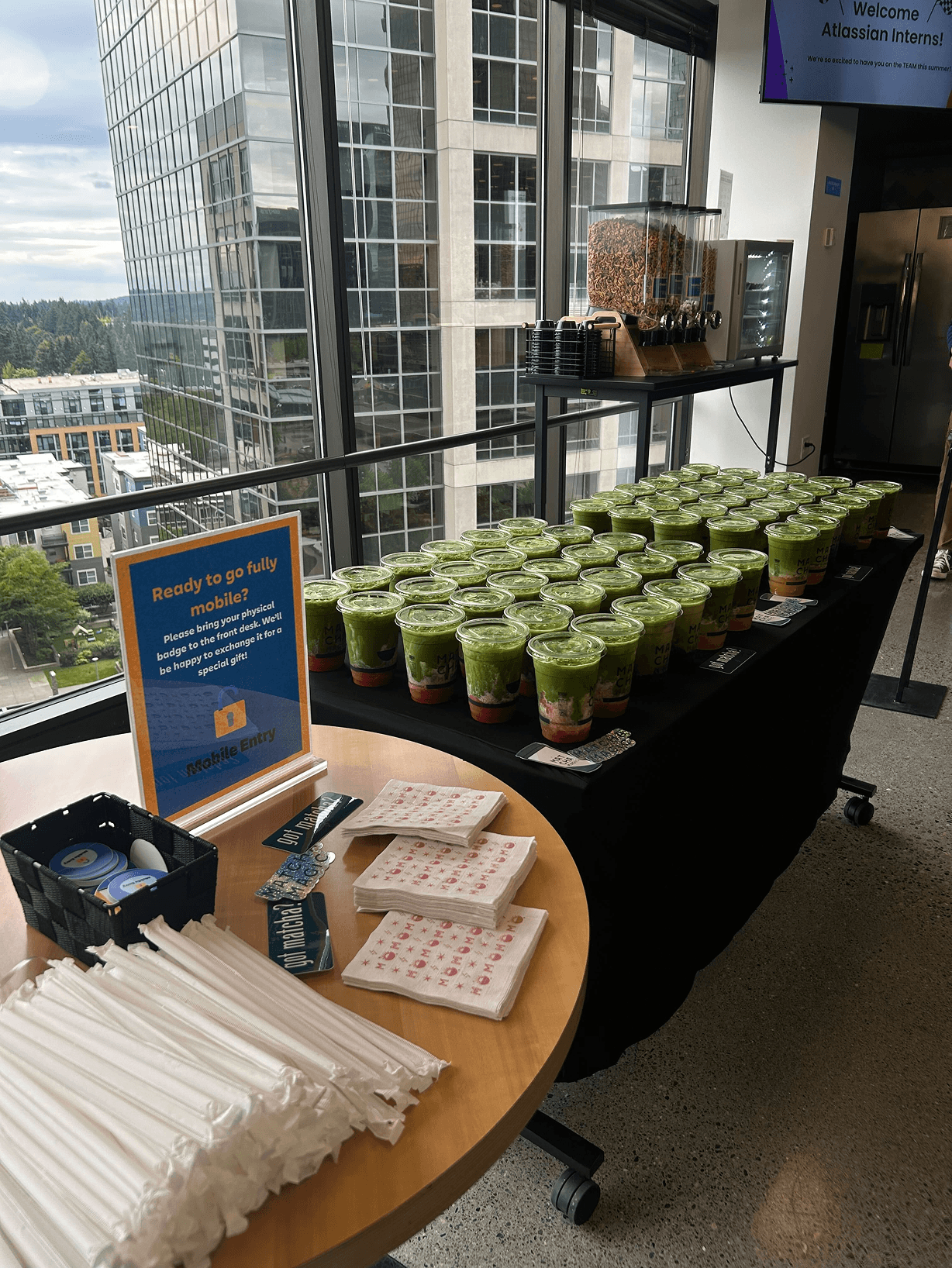
A huge shoutout to my mentor Charlotte, my manager Stephen, and the entire Growth and Education team for supporting me throughout my internship. I had an amazing summer learning from them and exploring Seattle!



This project is currently under NDA, so I've kept things high-level here. Please feel free to reach out if you'd like to hear more about my process.
OVERVIEW
Atlassian builds B2B SaaS products, including Confluence and Jira. I worked on the Growth Buy team on Confluence's free-to-paid conversion journey, focused on a segment of long-term Free users who weren't engaging with any upgrade surfaces, despite being a good fit for Premium.
TEAM
Growth Buy
TIMELINE
10 weeks
ROLE
Product Design Intern
SKILLS
Experiment Design,
Buy Journeys, Communication Design
OVERVIEW
Atlassian builds B2B SaaS products, including Confluence and Jira. I worked on the Growth Buy team on Confluence's free-to-paid conversion journey, focused on a segment of long-term Free users who weren't engaging with any upgrade surfaces, despite being a good fit for Premium.
TEAM
Growth Buy
TIMELINE
10 weeks
ROLE
Product Design Intern
SKILLS
Experiment Design, Buy Journeys, Communication Design

Other projects


The PROBLEM
Convincing someone to upgrade meant more than the visuals, it had to connect to value
Upgrade prompts on Confluence lived mainly in modals, but this specific group consistently ignored or dismissed them. The team needed to understand whether that was a timing problem, a messaging problem, or a product value visibility problem, and design an experiment that could give them valuable learnings.
WHAT I EXPLORED
Understanding how timing, angle, and positioning of upgrade prompts were viewed by this audience guided my approach
I tested 3 different directions for how the modal communicated the trial upgrade: (1) Adjusting timing and placement of the message, (2) Highlighting AI features that support team productivity, and (3) Tying upgrade messaging with contextual actions. I ruled out general messaging and using post office to trigger the modal because past experiment data showed this group hardly interacted with upgrade touch points. Timing mattered as much as the copy, so I looked at surfacing the message when specific actions were taken to tie upgrading with team productivity. This also avoided it feeling disruptive enough to get dismissed immediately. Throughout, I leaned on data from prior experiments and customer conversations to better understand this audience segment.
OUTCOME
Taking calculated risks brings valuable learnings that address business goals while balancing good user experience
Past data and designing this experiment showed that using a more assertive approach would be more effective than we'd originally assumed. Testing a new approach on this group would provide valuable learning that would shape how the Growth team approached prompts for this segment going forward.
REFLECTION
Comparing menus was consistently a part of the user's journey, but there was a clear need for a streamlined way to do so
Growth work moved faster and held more ambiguity than most other design work I'd done before this. I learned to lean on past experiment data to defend my own decisions, balance what different stakeholders needed against what would actually serve the user, and document well enough that someone else could pick up the experiment.
A huge shoutout to my mentor Charlotte, my manager Stephen, and the entire Growth and Education team for supporting me throughout my internship. I had an amazing summer learning from them and exploring Seattle!
This project is currently under NDA, so I've kept things high-level here. Please reach out to hear more about my process.
The PROBLEM
Convincing someone to upgrade meant more than the visuals, it had to connect to value
Upgrade prompts on Confluence lived mainly in modals, but this specific group consistently ignored or dismissed them. The team needed to understand whether that was a timing problem, a messaging problem, or a product value visibility problem, and design an experiment that could give them valuable learnings.
WHAT I EXPLORED
Understanding how timing, angle, and positioning of upgrade prompts were viewed by this audience guided my approach
I tested 3 different directions for how the modal communicated the trial upgrade: (1) Adjusting timing and placement of the message, (2) Highlighting AI features that support team productivity, and (3) Tying upgrade messaging with contextual actions. I ruled out general messaging and using post office to trigger the modal because past experiment data showed this group hardly interacted with upgrade touch points. Timing mattered as much as the copy, so I looked at surfacing the message when specific actions were taken to tie upgrading with team productivity. This also avoided it feeling disruptive enough to get dismissed immediately. Throughout, I leaned on data from prior experiments and customer conversations to better understand this audience segment.
OUTCOME
Taking calculated risks brings valuable learnings that address business goals while balancing good user experience
Past data and designing this experiment showed that using a more assertive approach would be more effective than we'd originally assumed. Testing a new approach on this group would provide valuable learning that would shape how the Growth team approached prompts for this segment going forward.
REFLECTION
Growth design pushed me to think deeper about what data and design can teach us about users
Growth work moved faster and held more ambiguity than most other design work I'd done before this. I learned to lean on past experiment data to defend my own decisions, balance what different stakeholders needed against what would actually serve the user, and document well enough that someone else could pick up the experiment.
A huge shoutout to my mentor Charlotte, my manager Stephen, and the entire Growth and Education team for supporting me throughout my internship. I had an amazing summer learning from them and exploring Seattle!
This project is currently under NDA, so I've kept things high-level here. Please feel free to reach out if you'd like to hear more about my process.